MAINTAIN: $90 – FNMA: OTCB
Written by Sanju Subnani
Introduction
Fannie Mae common stock has performed well since my last article post found here https://sinvestsllc.com/fannie-mae-fnma-price-target-90/. At the time of that post, the shares closed at $2.74 on December 6, 2024. Today, on September 23, 2025, Fannie Mae common shares closed at $13.20. A $90 price target, at a minimum, was projected for Fannie Mae shares by my company. Since the post in December, Wall Street hedge funds and investment banks have released their analysis.[1] [2]

Re-Listing Fannie and Freddie
To recap, Fannie Mae and Freddie Mac have been under government conservatorship since 2008.[3] The shares currently trade over the counter. President Trump wants shares of Fannie Mae and Freddie Mac to rise significantly before the companies become listed on the New York Stock Exchange or another regulated exchange.[4] A transition from over-the-counter trading to a more densely traded exchange such as the New York Stock Exchange would increase visibility and participation amongst worldwide investors. I anticipate the stock prices of Fannie and Freddie shares to rise significantly after a relisting on a major exchange.
Dividends, Dilution, and Share Buybacks Oh My!
The components involved in the Fannie Mae and Treasury deal contain the Treasury’s preferred stock and its warrants to buy Fannie Mae and Freddie Mac common stock at a specified price in the future.[5] The warrants the Treasury owns will increase the total outstanding shares of Fannie and Freddie that will dilute the stock’s earnings-per-share. How does this affect current shareholders? Investors fear dilution, but it’s nothing to be afraid of. Most companies will see their shares become diluted over their business lifetime. Dilution is a common occurrence. Corporate actions that dilute the share price range from providing executive and employee compensation, financing of merging or acquiring another company, converting securities such as warrants to stock, or raising more investor capital via an IPO or secondary offering.[6]
How do companies offset dilution? By buying back its own shares. When a company buys back its stock, it takes existing shares off the market, reducing the total outstanding shares. As a result, the earnings per share increase, meaning every share is now mathematically more valuable. Companies that have significantly reduced their share count include Apple, Meta, Alphabet (Google), and NVIDIA. Apple has reduced its share count by 25% in the last 10 years.[7] Even more notable, O’Reilly Automotive has reduced its share count by 25% since 2020.[8] Recently, Elon Musk bought back $1B worth of his company’s stock, Tesla.[9] Companies buy back their shares and as a result, their share price rises significantly, in some cases to new all-time highs. Companies that have consistently bought back their shares (Meta & Booking.com) have recently begun paying dividends as well. Share buybacks offset dilution, and dividends return capital to investors, music to an investor’s ears.
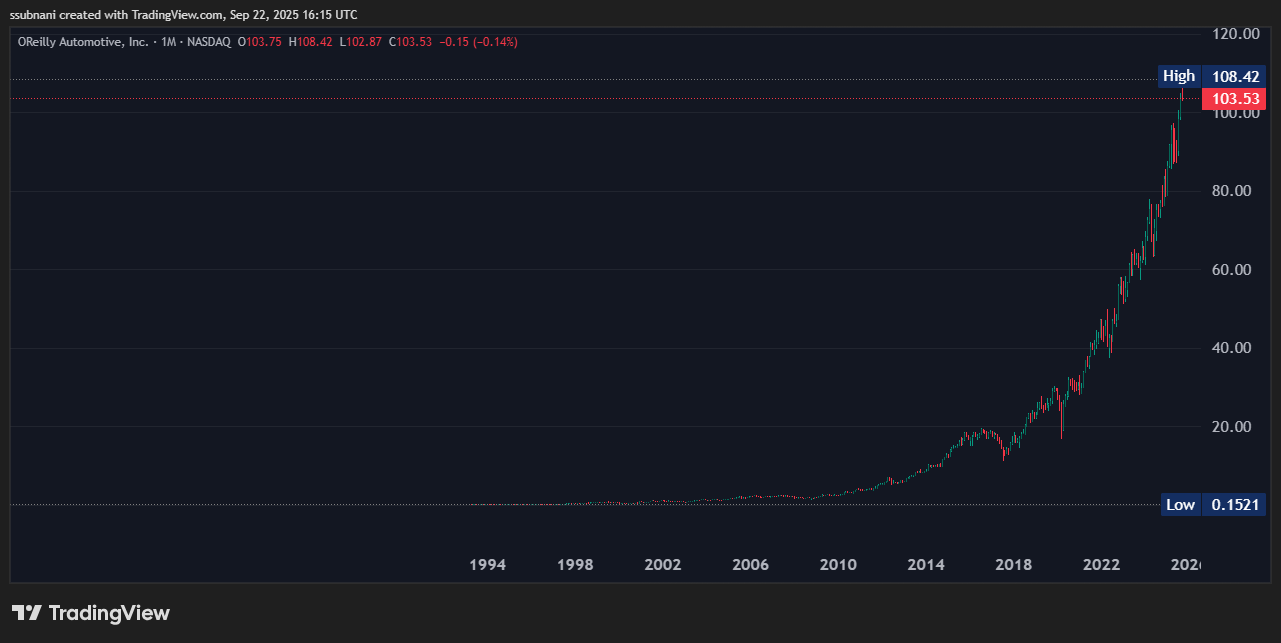
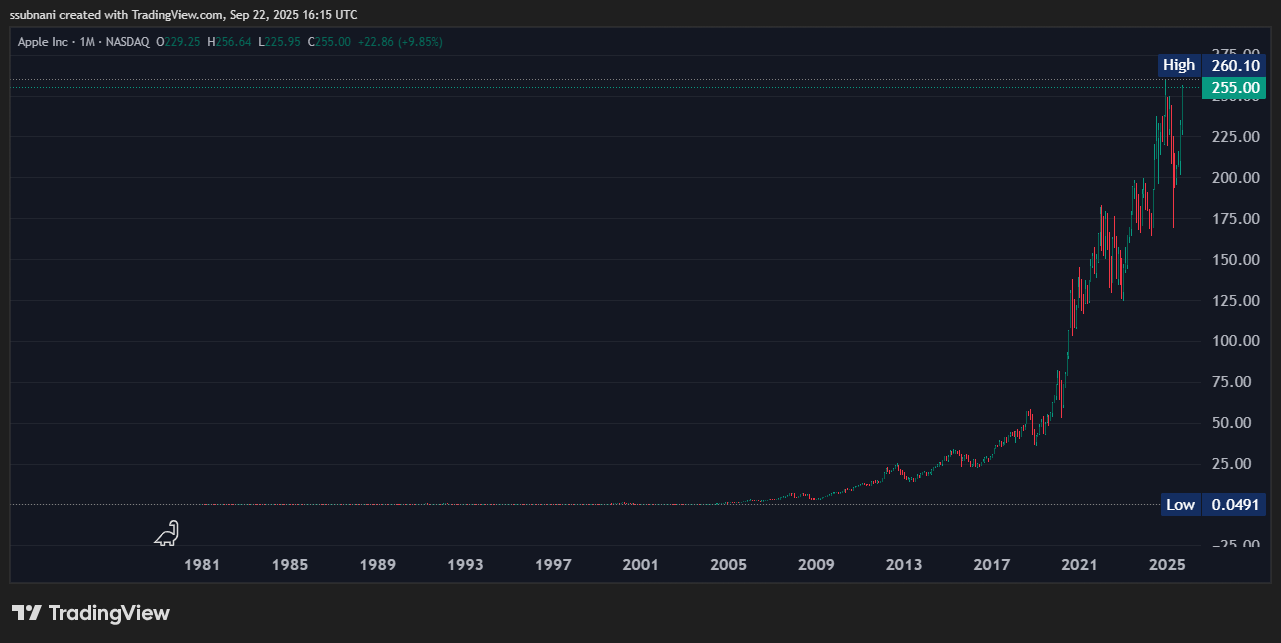
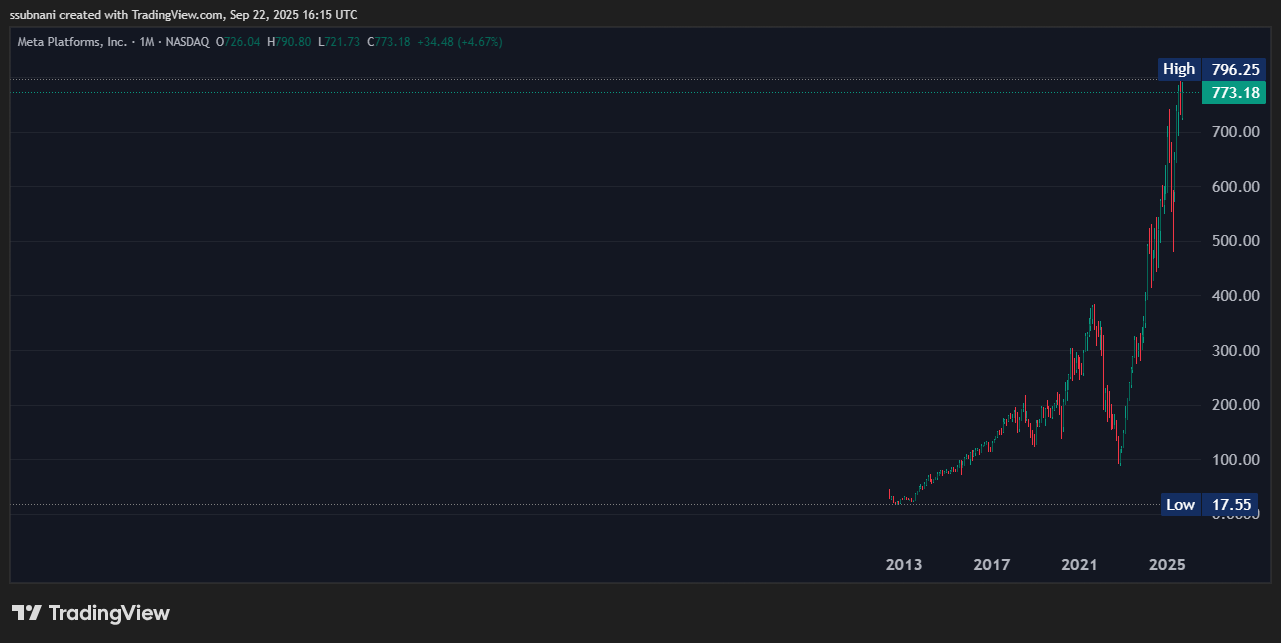
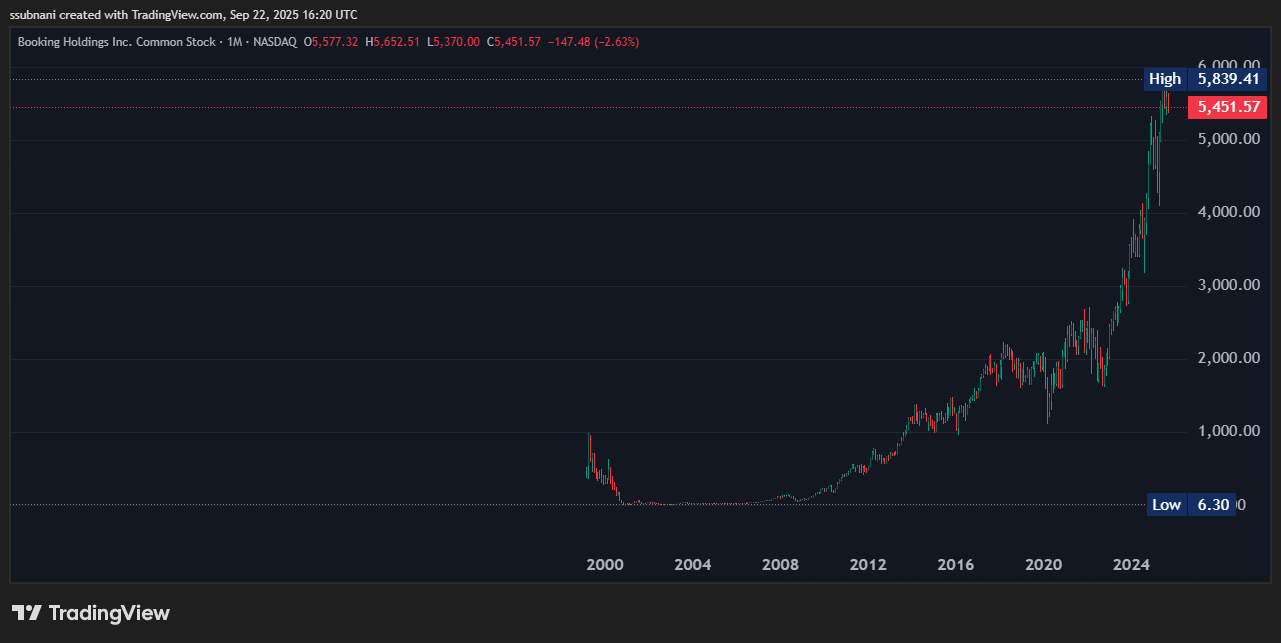
Success Leaves Footprints. And So Do Great Deals.
Bank of America underwent troubles at the same time Fannie and Freddie were put into conservatorship in 2008. Examining the Bank of America recovery and how the bank began share buybacks and paid dividends when it recovered is helpful in ensuring my confidence in the Fannie/Freddie investment.

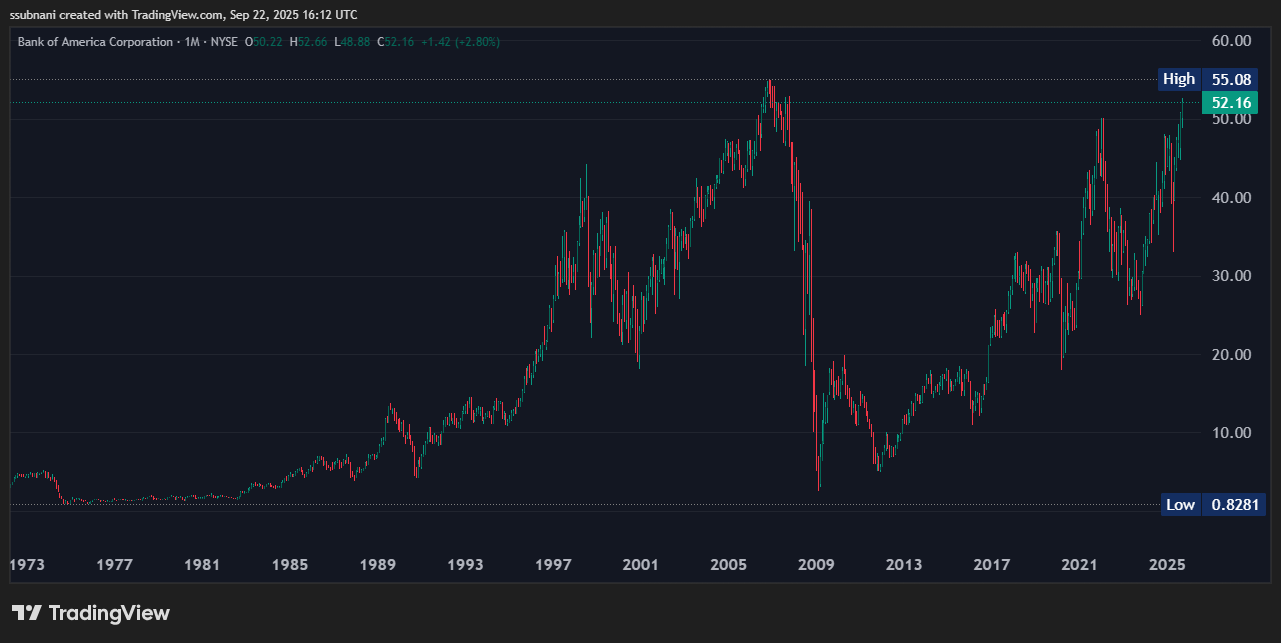
In 2008, Bank of America lost $50 billion buying Countrywide in attempt to clean up its toxic balance sheet. “Shares of the bank were trading for as low as $2.53 in 2009 and net income dropped from a high of $21 billion in 2006, to just $4 billion in 2008.”[10] In 2011, Warren Buffett invested $5 billion in Bank of America to rescue the bank from its investment losses. The deal between Warren Buffett and Bank of America involved a combination of preferred stock and warrants to buy common stock at a stated price in the future. Buffett received 50,000 shares of preferred stock as well as warrants to purchase 700,000,000 common shares of Bank of America at $7.142857 per share.[11] In late June of 2017, Warren Buffet exercised his warrants to take delivery of his shares. Bank of America shares closed at approximately $24 at the time of exercise, netting Buffett a $12B profit.[12] Buffett exercised his warrants when Bank of America’s share price had risen significantly. What caused the significant rise in share price after Buffet’s investment in 2011? Bank of America improved its financials, approved a share buyback program in 2013, and increased its dividend in 2014.
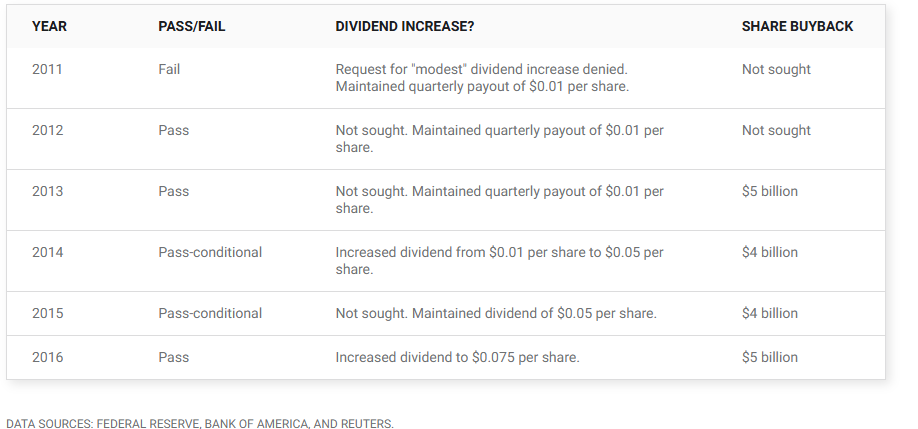
Bank of America’s financials and share price improved after the bank began passing the Federal Reserve’s yearly stress tests from 2012 to 2025. “The Federal Reserve uses the tests to determine whether the nation’s biggest banks — those with more than $50 billion worth of assets on their balance sheets — have enough capital to survive a hypothetical downturn akin to the financial crisis. Even more importantly from the perspective of an investor, stress tests are when the Fed exercises its veto power over big bank capital plans. In the second stage of the tests, known as the Comprehensive Capital Analysis and Review, or CCAR, the Fed either approves or denies banks’ requests to increase their quarterly dividends or to buy back more shares of common stock.”[13] Below is a table showing the stress test results and resulting share buyback or dividend increase Bank of America was allowed to authorize from 2011 to 2016. From 2017 to the most recent stress test in 2025, Bank of America consistently passed and subsequently increased its dividend and share buybacks. Bank of America performed better financially and then rewarded investors who held on to their shares. Bank of America’s most recent quarterly dividend was $0.28 per share announced July 23, 2025.[14]
Fannie Mae and Freddie Mac’s Future
A very positive feature of the Fannie and Freddie investment for current investors is that the largest stockholder, the US Treasury, simultaneously has managerial control over the company. In other words, the Treasury stands to benefit greatly from an increased Fannie/Freddie share price, and the Treasury has the managerial capacity to make that happen. To offset the eventual dilution from the Treasury’s warrant exercise, I believe the institution of a share buyback is highly probable in the near term. Once a share repurchase is underway, I believe a dividend reinstatement is highly likely thereafter. The firm maintains its $90 price target on Fannie Mae common stock and urges current investors to hold on to Fannie/Freddie shares. To become a client, contact Sanju via ssubnani@sinvestsllc.com.
[1] https://assets.pershingsquareholdings.com/2025/01/16112701/Fannie-Mae-Freddie-Mac-01-16-2025-Presentation.pdf
[2] https://finance.yahoo.com/news/deutsche-bank-says-buy-fannie-131247966.html
[3] https://www.fhfa.gov/conservatorship
[4] https://www.cnn.com/2025/08/08/business/fannie-freddie-ipo
[5] https://www.cbo.gov/publication/56511
[6] https://carta.com/learn/startups/equity-management/share-dilution/
[7] https://finance.yahoo.com/news/apples-704-billion-decade-long-213225306.html
[8] https://finance.yahoo.com/news/could-oreilly-automotives-orly-aggressive-100837997.html
[9] https://www.cnbc.com/2025/09/15/tesla-shares-gain-after-elon-musk-discloses-purchase.html
[10] https://www.cnbc.com/2022/12/27/how-bofa-came-back-from-the-brink-of-collapse.html
[11] https://www.blackstone.com/news/press/berkshire-hathaway-to-invest-5-billion-in-bank-of-america/
[12] https://www.cnbc.com/2017/06/30/warren-buffett-just-made-a-quick-12-billion-on-bank-of-america.html
[13] https://www.fool.com/investing/2016/12/15/bank-of-americas-stress-test-history.aspx
[14] https://investor.bankofamerica.com/shareholder-information/dividends